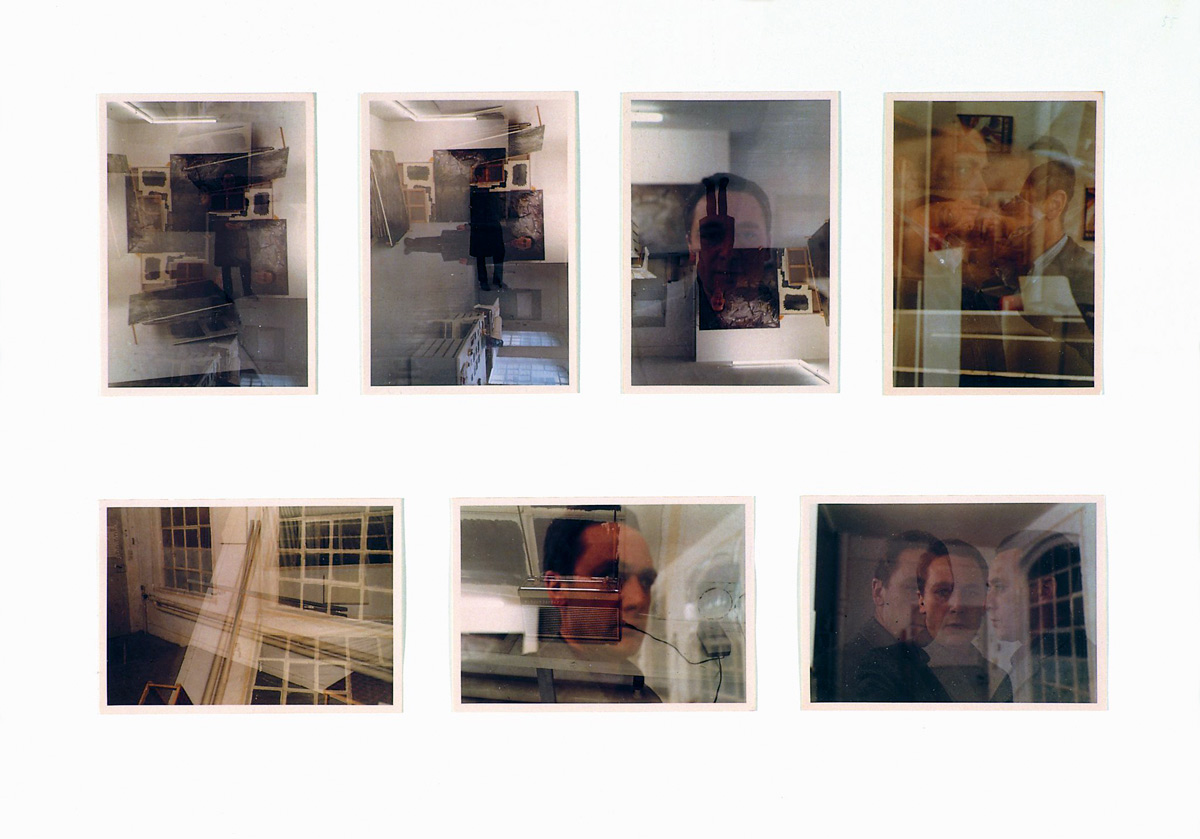
Gerhard Richter Atlas 2001 [detail]
[image source: https://artblart.files.wordpress.com/2012/04/gerhard_richter_atlas_tafel_58-web.jpg]
As
an indexical anchor within contemporary visual culture the photograph
continues to provide an effective form for exploring notions of
memory and place. Providing confirmation of the immediacy of the
moment the photograph is also capable of filling in the gaps in our
mental picture of past and present, often making us feel that the
world is more accessible than it really is. In providing assess to
easy manipulation and alteration of the photographic image the
digital agemay have fractured the photographs status as proof of
evidence but regardless of concerns of authenticity there is no
denying that the photograph maintains a powerful relationship between
image and narrative.
BRIEF:
For this lesson each
student is to bring a combination of their own architectural interior
and exterior
photographs and any other images that relate a sense of connection to
place or perhaps even displacement within a specific environment. You
will need a minimum of 9 images. [the choice of scale is to be
decided by each student] Multiple copies of your original
photographic images may be required. Spend the session
de-‐constructing and reassembling those architectural spaces
and related images into a single fabricated space or series of
spaces.[the photocopier can provide an interesting start] In a
similar fashion to the body-‐portrait project the intervention
of a graphic medium is to be engaged as a way of consolidating and
reinforcingwhat it is you wish to convey. The degree of intervention
of collage and any graphic mediumor filmic response will often be
dictated by each student’s initial response to the
de-‐construction process.
An
alternative approach to gathering your resource material is to
collect found photographs of environments and discarded family snap
shots that engage a more objective[detached] approach to the project.
The postcard as a memento of place could also provide an interesting
starting point.
The
elements to be considered in this project relate to the photographic
image as an index to notions of time, the present and the past,
transitions of space etc.
-‐the
photograph as aide-‐memoire [an aid to memory]
-‐
the photograph as an authentic document in the digital age. -‐the
photograph as an archival resource.
-‐the
photograph as a harbinger of historical and personal narratives.
Sense of place:
connection to the now, this is the only time I have ever felt a connection to a geographical location
connection to the now, this is the only time I have ever felt a connection to a geographical location

No comments:
Post a Comment